

. Analytics
Reliable analyses with APC
With 40 years of experience in asbestos analysis, we have kept pace with all developments in this field. This extensive knowledge enables us to precisely understand the diversity and specific properties of building materials in relation to asbestos and thus achieve valid analysis results.
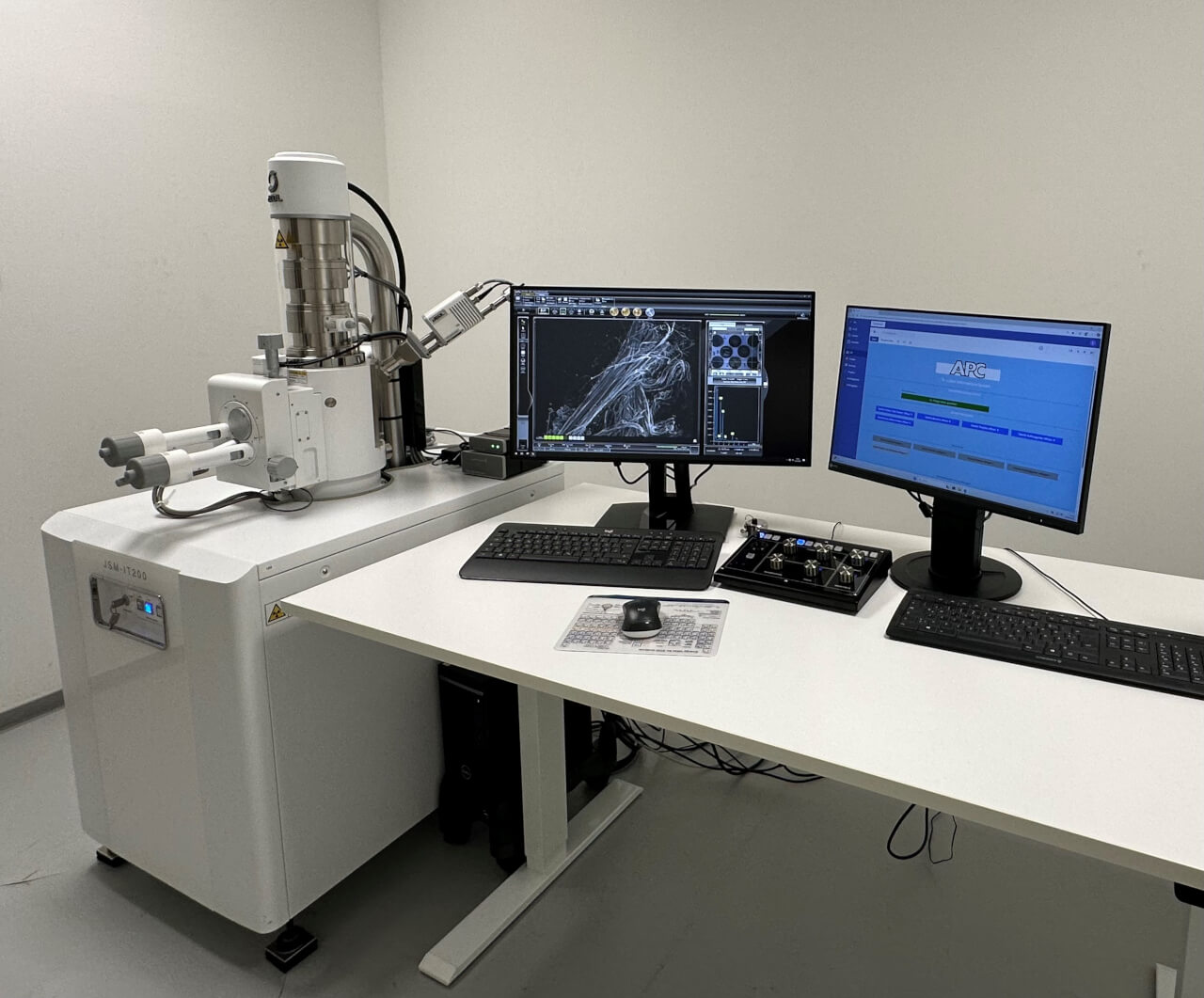
Asbestos analysis - Material
VDI 3866 Part 5:2017-06, LOD 1% to 0.5%
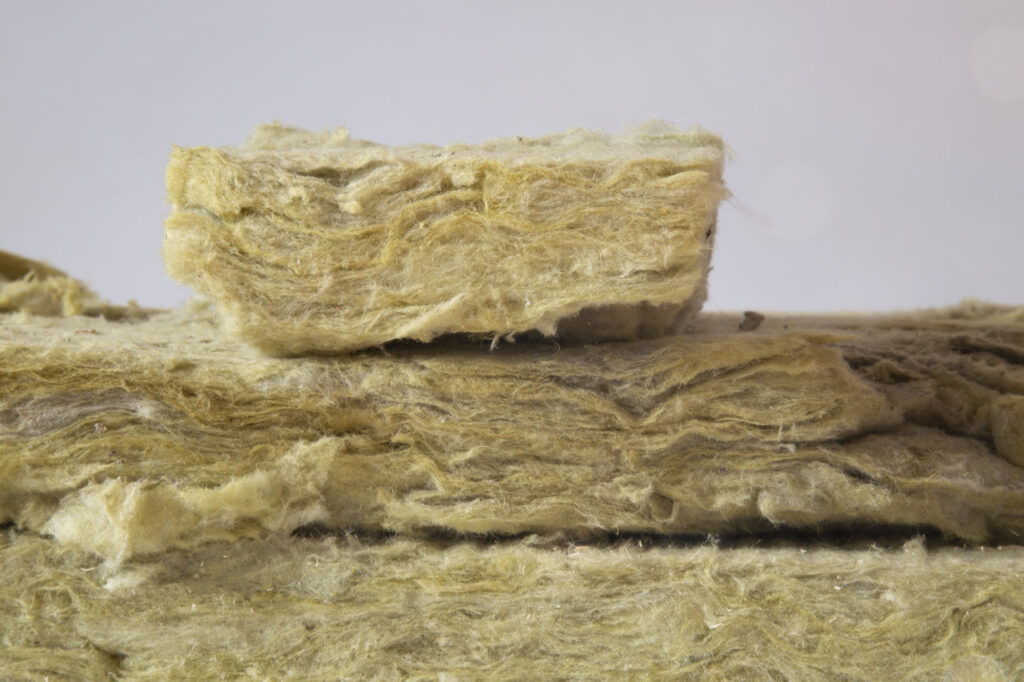
Material samples are analyzed for asbestos and man-made mineral fibres (MMMF) using scanning electron microscopy (SEM). This method is applied, among others, to the following building materials: asbestos cement, Promabest, PVC floor coverings, black bitumen adhesive, mineral wool insulation, window putty, and screeds. Depending on the material, samples are first ashed, milled or ground. The limit of detection is in the range of 1% to 0.1% asbestos. This is a qualitative method that allows asbestos contents to be estimated based on the respective product.
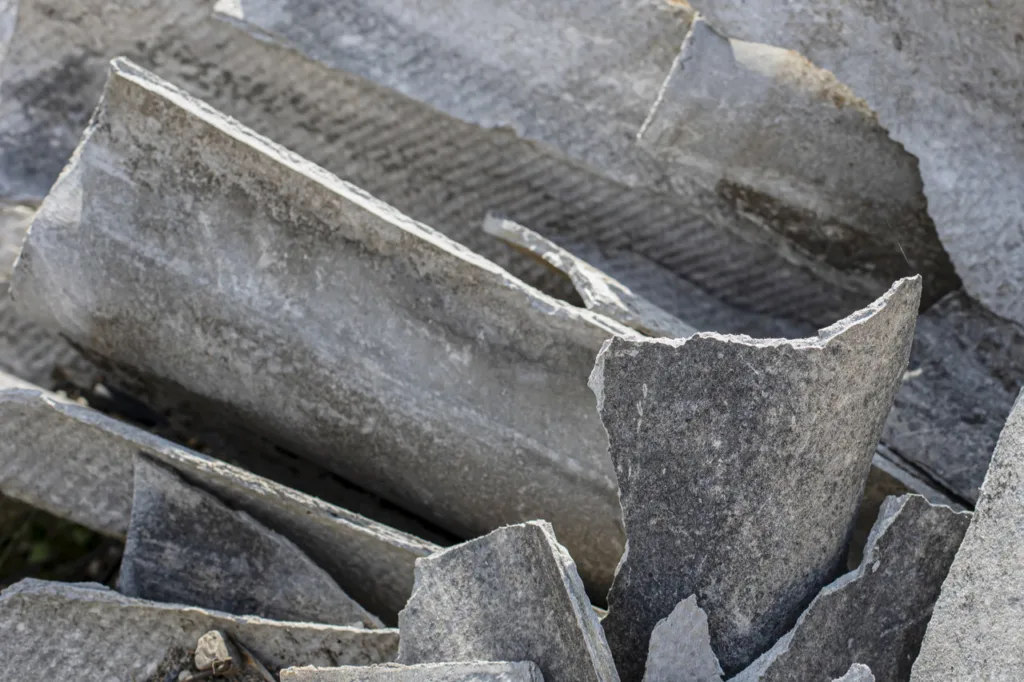
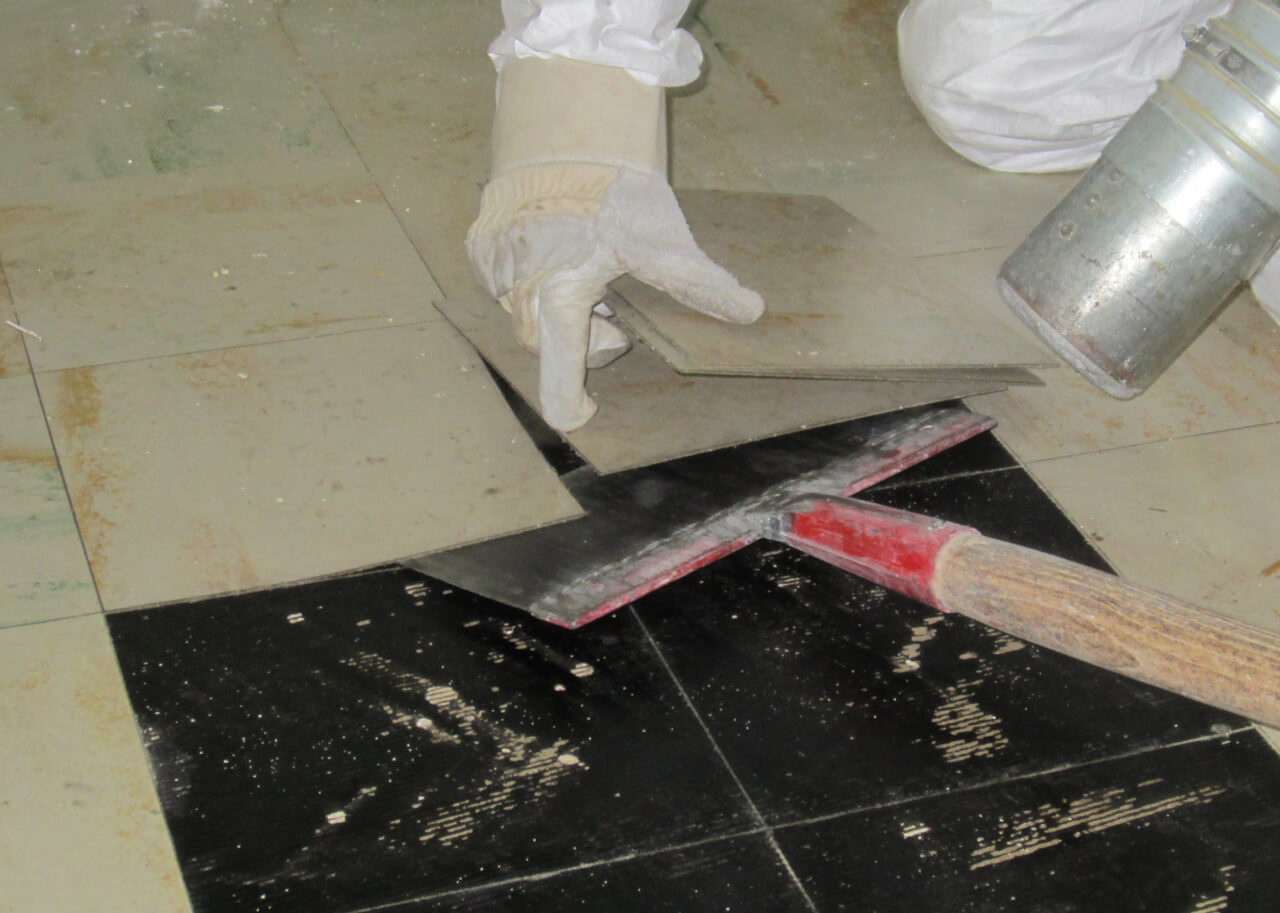
Typical turnaround time: approx. 2–3 days. If you need results faster, please contact us.
VDI 3866 Part 5, LOD 0.1% (Bitumen)
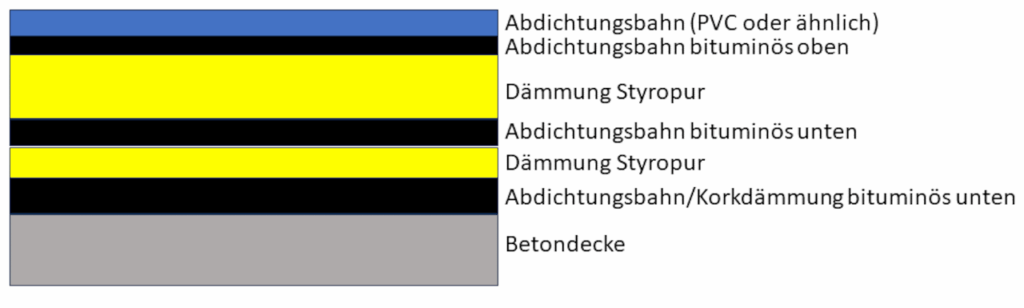
The analysis of bituminous materials (e.g., roofing membranes) requires more effort due to their matrix. A larger material quantity is ashed; the matrix loss improves the limit of detection to as low as 0.1% asbestos. In some cases, these materials are analyzed using the extended method according to Annex B (see item X).
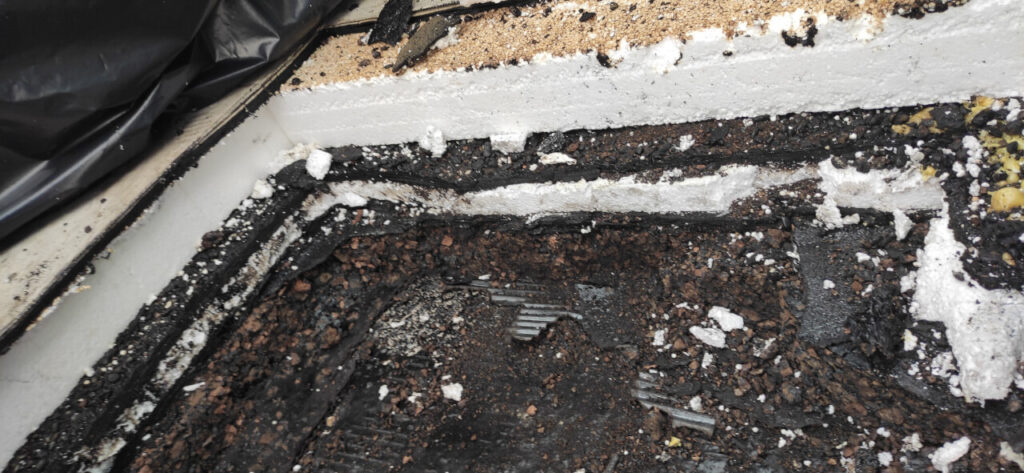
Typical turnaround time: approx. 2–3 days. If you need results faster, please contact us.
VDI 3866 Part 5 Annex B, LOD 0.001%
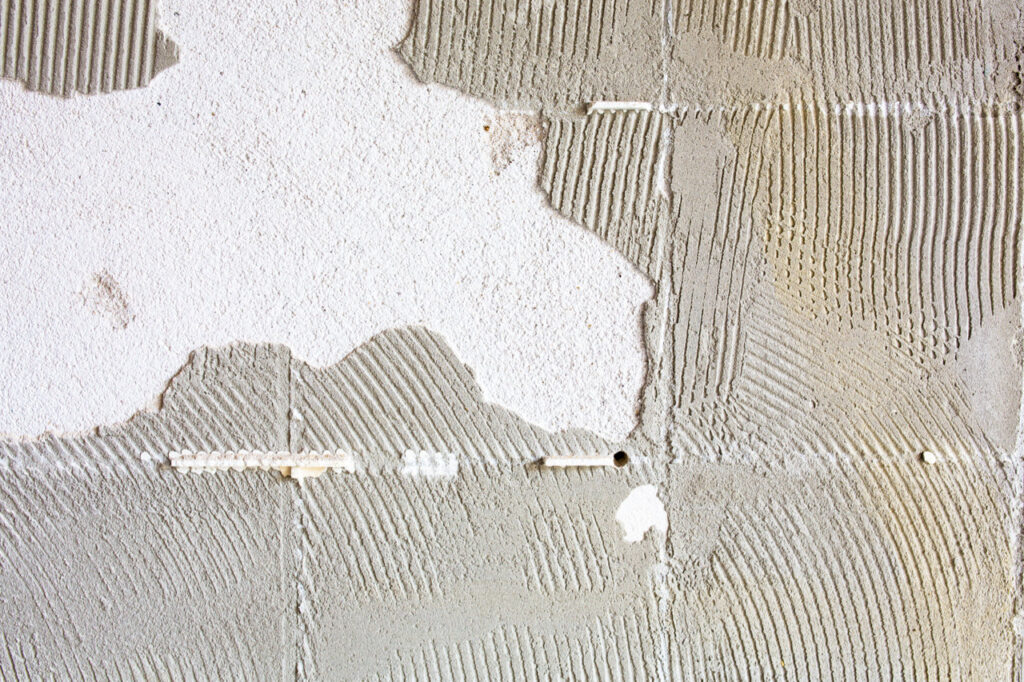
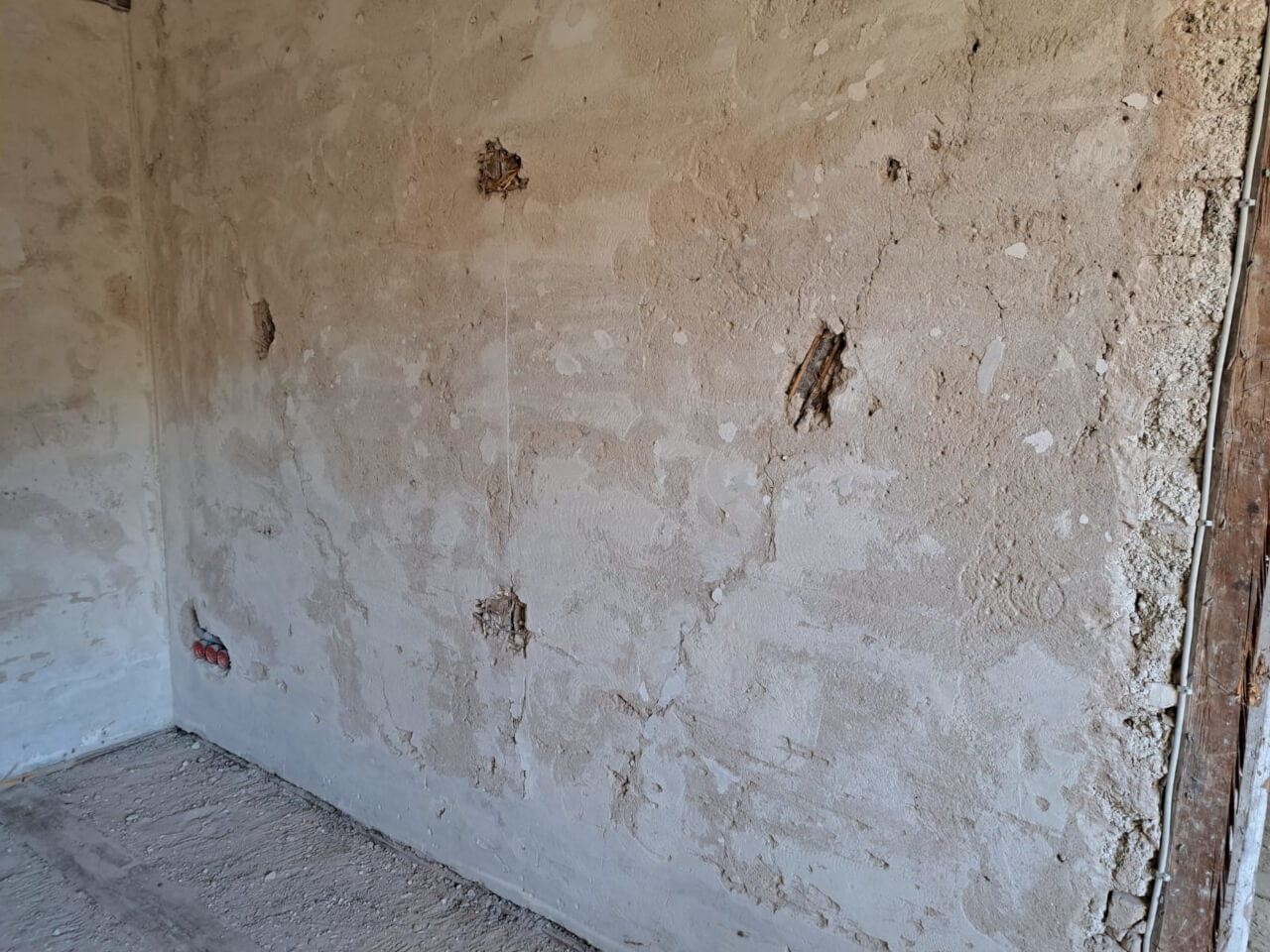
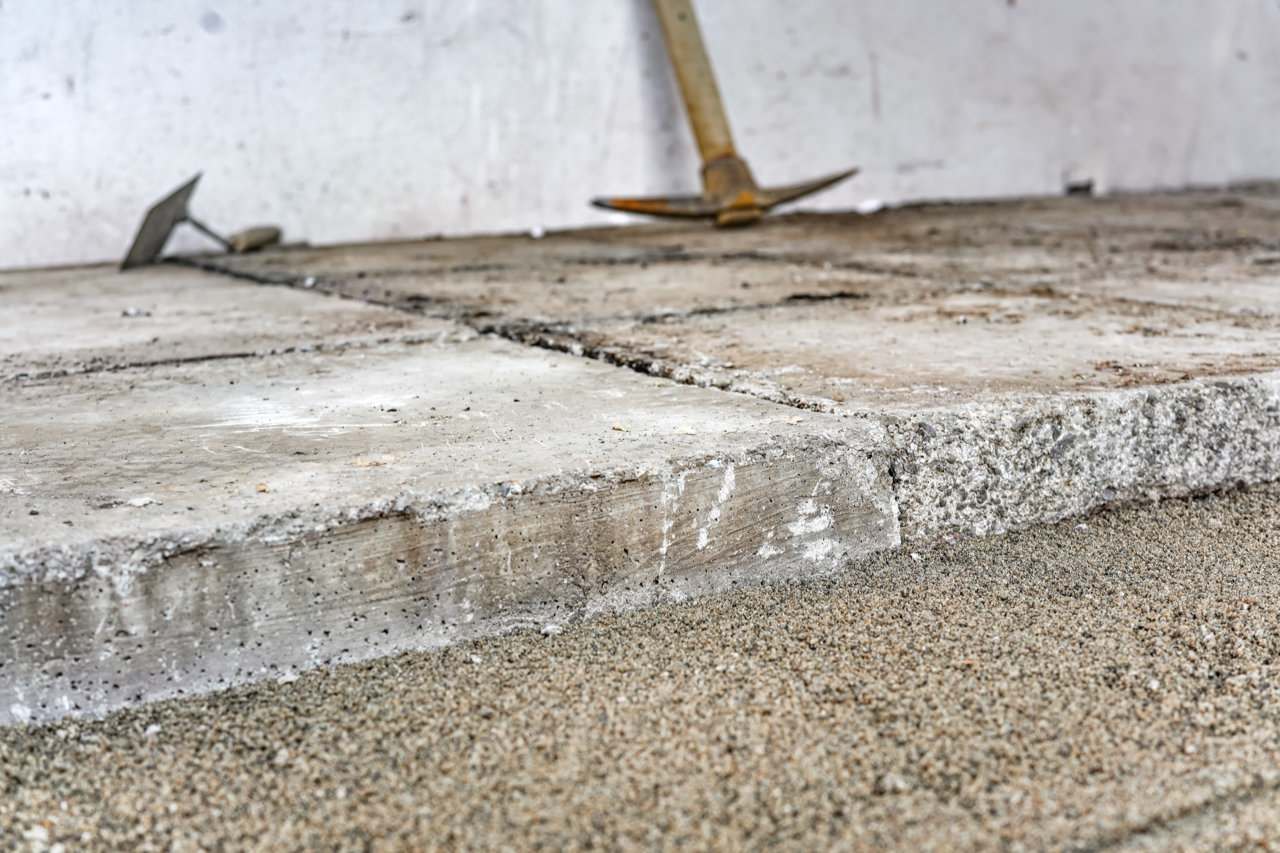
Annex B of VDI 3866 Part 5 describes an extended preparation and analysis method with a limit of detection of approx. 0.001% asbestos. This procedure is used for the analysis of the following products: tile adhesives, plasters, fillers, some screeds, mastic asphalt and other bituminous materials, powder samples, and mixed samples. The method enables a qualitative to semi-quantitative determination of asbestos in the building product and can also be used similarly to ISO 22262-2 for quantitative determination of asbestos content.
Typical turnaround time: approx. 3–4 days. If you need results faster, please contact us.
VDI 3877 Part 1
Analysis of dust samples for asbestos/MMMF including test report and EDX elemental analysis according to VDI 3877 Part 1. Contact samples are often taken in the context of asbestos remediation and evaluated qualitatively and (semi-)quantitatively for fibre content.
Typical turnaround time: approx. 2–3 days. If you need results faster, please contact us.
BIA 7487
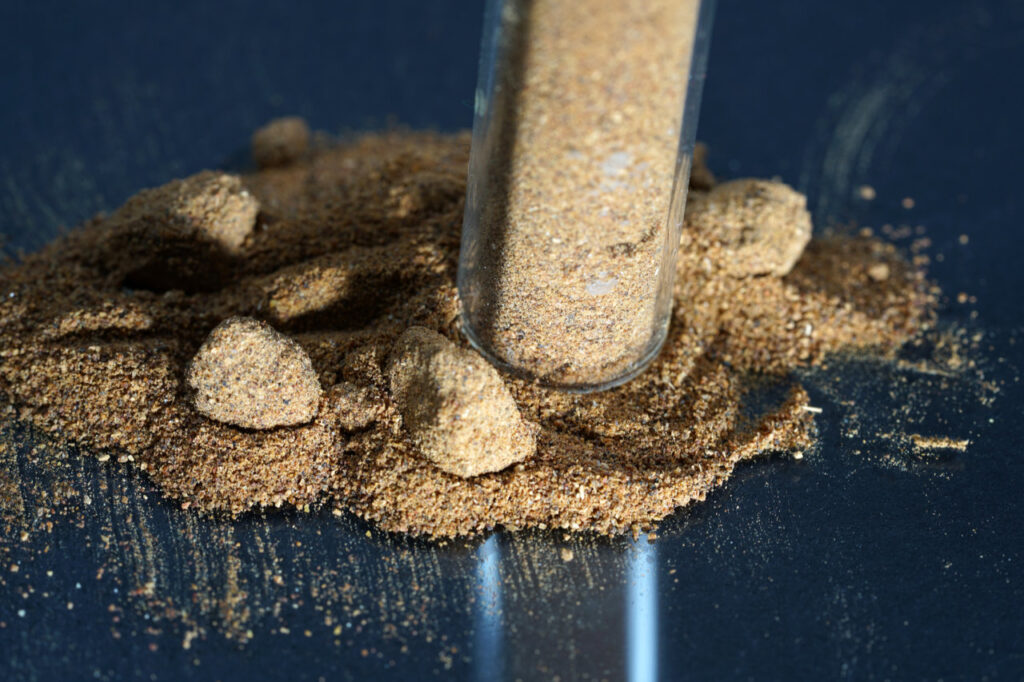
Determination of the mass fraction of asbestos fibres in powders and dusts, including EDX elemental analysis based on the BIA 7487 method. This is a quantitative procedure mainly used for potentially asbestos-containing mineral raw materials according to Annex 1 of TRGS 517 and for mixtures and products made from them (e.g., asphalts, specific rock types, materials with potentially geogenic asbestos).


Typical turnaround time: approx. 2–3 days. If you need results faster, please contact us.
VDI 3876
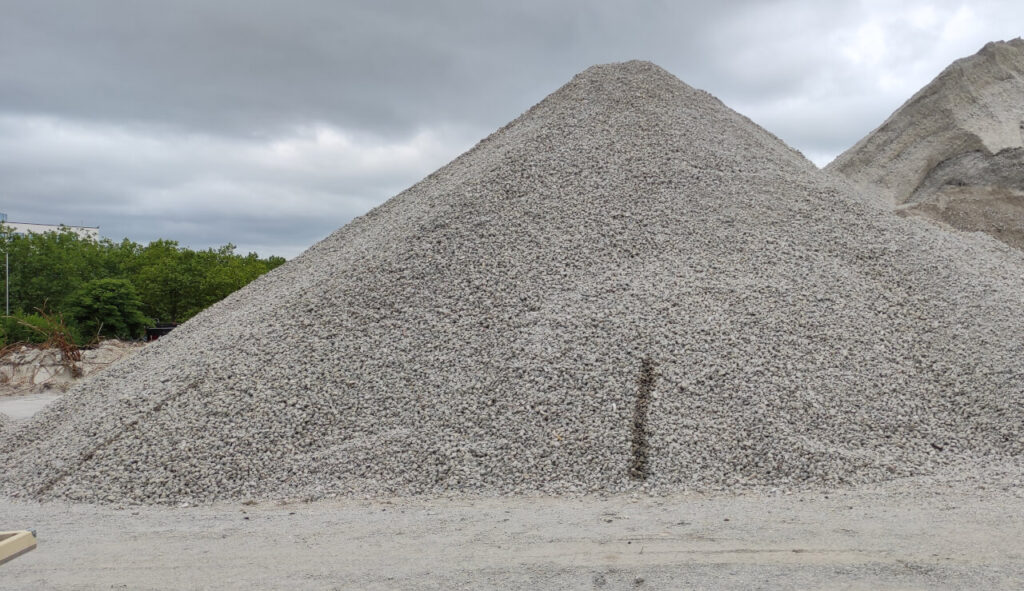
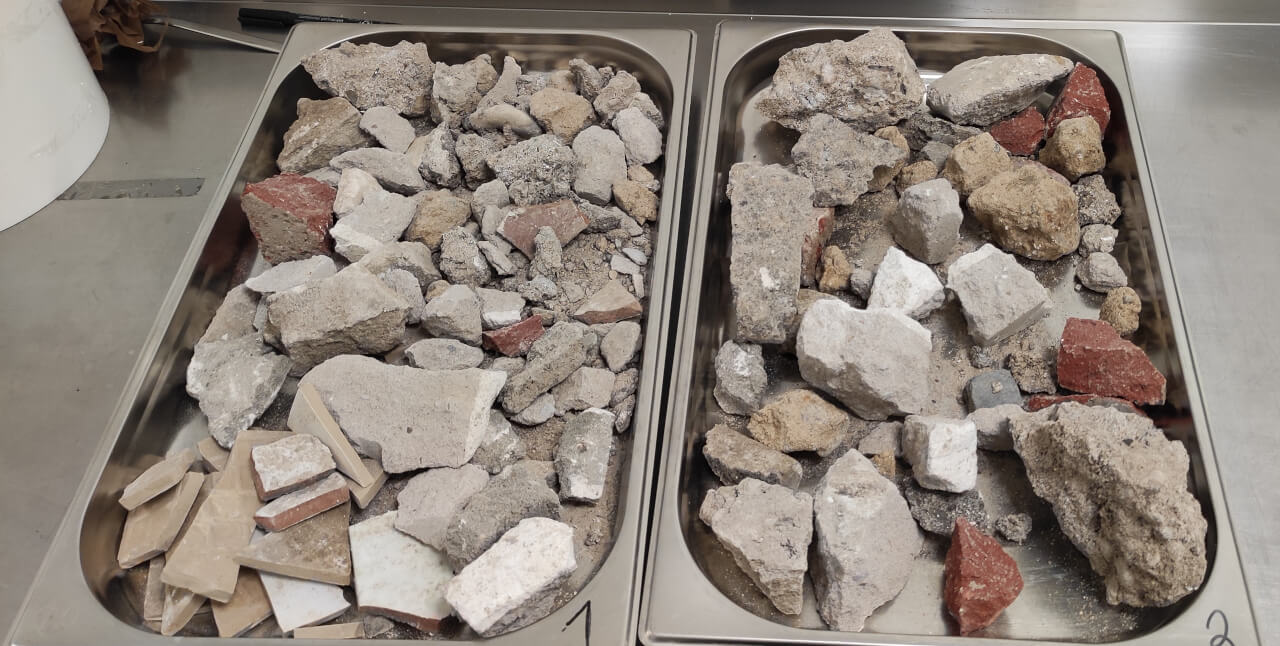
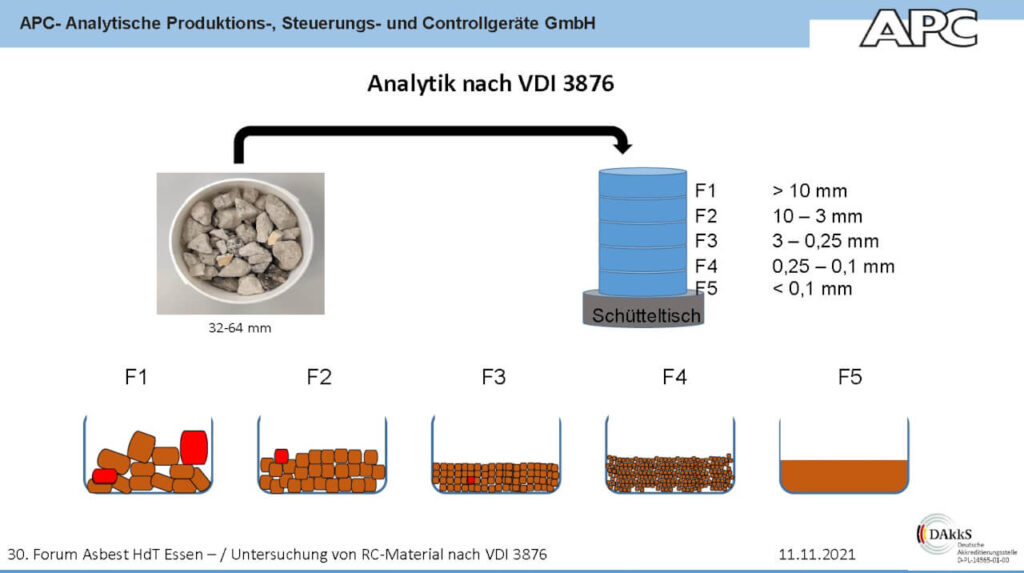
Measurement of asbestos in construction and demolition waste and recycled aggregates made from them. This guideline defines the preparation of samples from construction and demolition waste and derived recycled materials when the asbestos content is to be quantified. Approximately 5 kg of sample material is required for this method.
Carcinogenicity index (Ki) using SEM-EDX
Classification of respirable mineral wools as carcinogenic or suspected carcinogens according to the assessment criteria of TRGS 905.
Asbestos analysis - Air
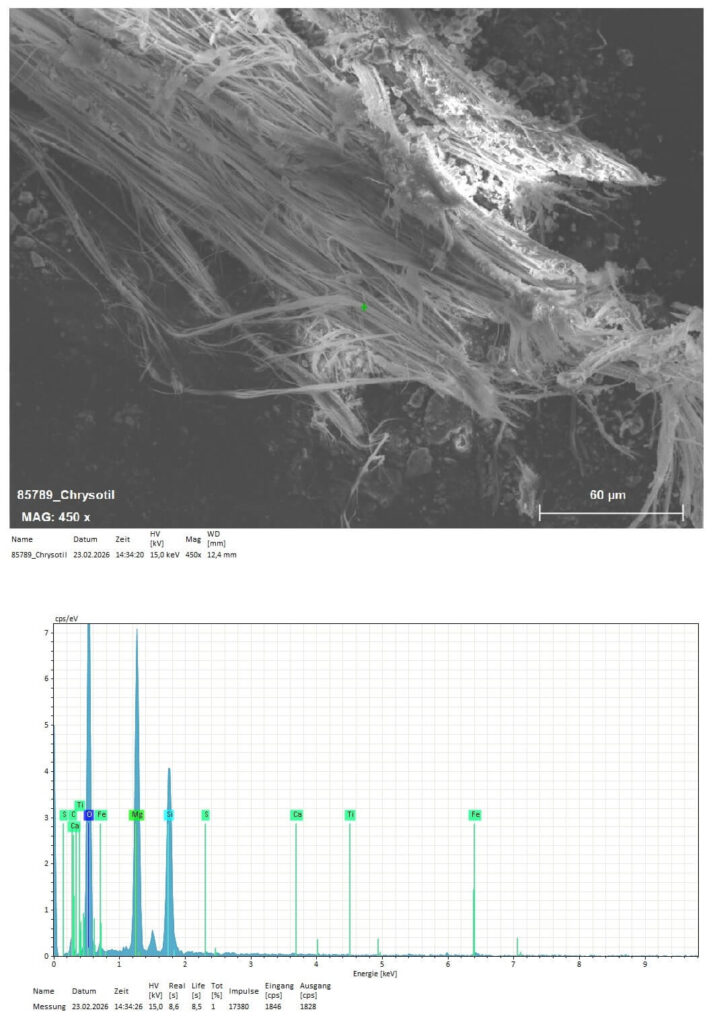
Prerequisite for the feared chronic effects of fibrous dust is the presence of so-called “WHO fibres”, i.e. fibres that can be inhaled (respirable). The measurement methods we use are described in VDI 3492, ISO 14966 and DGUV Information 213-546, and for emission measurements (exhaust air) in VDI 3861 Part 2. What they all have in common is deposition of the dust on a gold-sputtered track-etched membrane filter using a suitable sampling device, followed by evaluation by scanning electron microscopy (SEM). The execution and results of the measurements, as well as the relation to applicable limit and guideline values, are summarised in a test report.
VDI 3492 and ISO 14966
Measurements according to VDI 3492 and ISO 14966 are used to detect asbestos or man-made mineral fibres (MMMF) in indoor air. Different measurement types are distinguished, such as status-quo, clearance, control, or success-control measurements.
Especially in construction and remediation, time is critical. We therefore analyse your submitted sampling filters the same day, and you promptly receive the result as a test report.
DGUV Information 213-546
The evaluation of workplace sampling filters differs only slightly from the guidelines mentioned above. Note, however, that shorter sampling durations require increased analytical effort.
Chemical analyses
In cooperation with our accredited partner laboratories, we offer a comprehensive range of chemical analyses. These include testing for PAHs (polycyclic aromatic hydrocarbons), PCBs (polychlorinated biphenyls), aldehydes, PCP (pentachlorophenol), lindane, HBCD (hexabromocyclododecane), heavy metals, and many other parameters.
We also carry out more complex analytical programmes—for example in accordance with the requirements of LAGA, DepV (German Ordinance on the Landfilling of Waste), the Substitute Building Materials Ordinance (EBV), or as part of VOC measurements (volatile organic compounds).

Microbiological analyses
We offer a wide range of microbiological analyses, including airborne germ counts (mould and bacteria), total spore count analyses, adhesive tape lift tests, testing for faecal indicator bacteria, and additional investigations.

Shaping the future together – with APC at your side.
Your projects deserve a strong partner. With APC, you have experts at your side who combine experience, motivation, and state-of-the-art technology.
Whether it's building pollutant investigations, air quality measurements, renovation monitoring, or material analysis—we support you with expertise and commitment.
Our qualified employees have many years of experience and are supported by a modern laboratory that meets the highest quality standards. This enables us to lay the foundation for the safe, efficient, and successful implementation of your projects.

call us

Contact us
Eschborn (Company Headquarters)
Analytische Produktions-, Steuerungs- und Controllgeräte GmbH
Kölner Straße 12
65760 Eschborn (Germany)
Opening Hours Rental Station:
Mon – Fri, 8:00 AM – 5:00 PM | Closed Sat
Berlin (Rental Station)
Analytische Produktions-, Steuerungs- und Controllgeräte GmbH
Provinzstr. 93
13409 Berlin (Germany)
Opening Hours Rental Station:
Mon - Fri, 08.00 AM - 05.00 PM | Sat, 07.00 AM - 02.00 PM